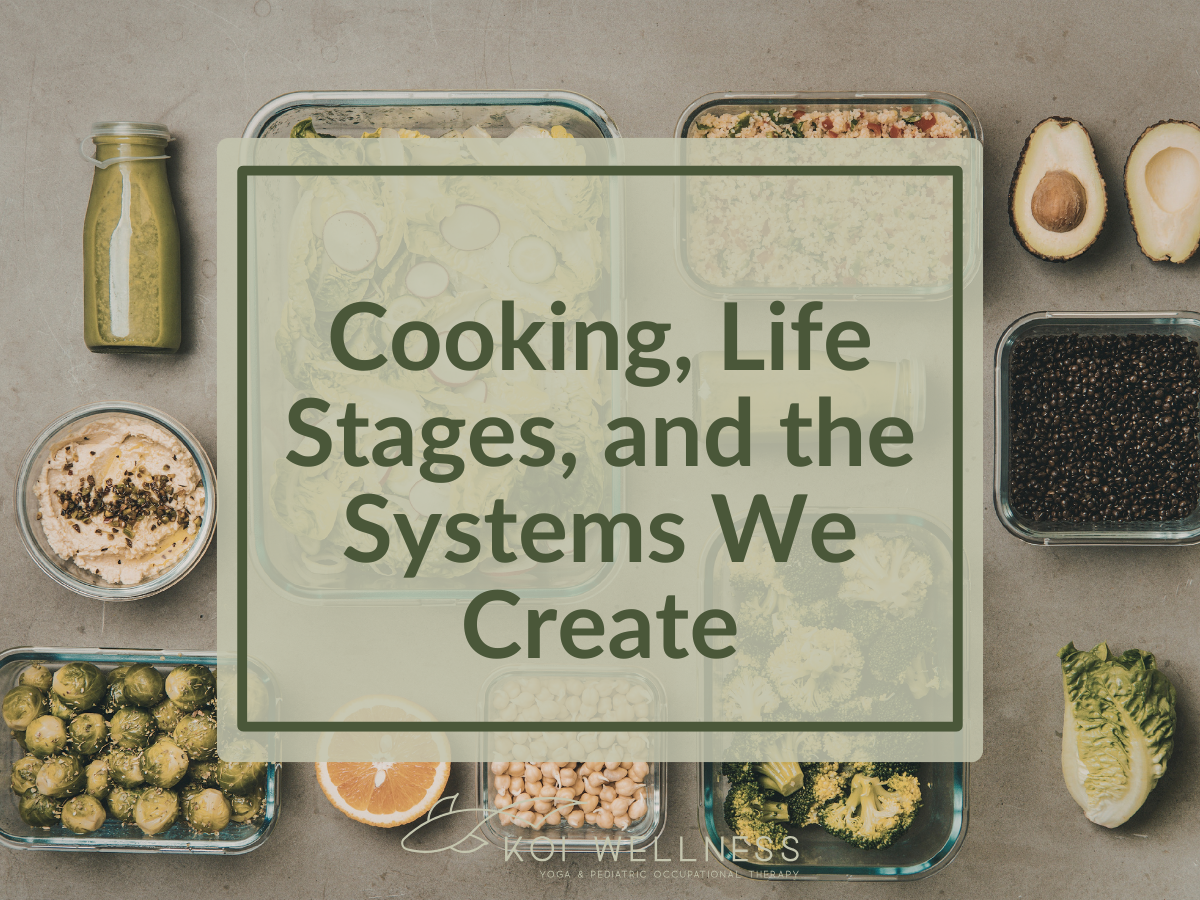
I’ve followed cooking blogs for years, saving recipes, tips, and techniques. But this year, I noticed something shift. Instead of trying to follow recipes exactly, I started adapting them—fine-tuning them to fit my life after moving, settling into Texas, and navigating a completely new rhythm.
Read MoreLately, my Instagram feed has been full of “Japanese convenience store hacks.”
Quick meals. Perfectly packaged snacks. Full lunches pulled together in minutes. Every post makes me miss Japan a little more—and reminds me how much everyday environments shape the way we live.
The start of a new year often pushes us to reset, but meaningful change doesn’t always come from starting over. Sometimes, it begins with noticing what already works.
While traveling in Germany last fall, I discovered a small but powerful detail: shared beds were set up with two individual comforters—one for each person. No tug-of-war over blankets. No negotiating temperature. Just shared space with individualized comfort. It felt surprising at first, then obvious.
That moment captured the essence of occupational therapy for me. Adaptation doesn’t have to be big or complicated. Often, it’s a thoughtful adjustment to everyday routines that makes life easier.
As we step into 2026, my hope is simple: carry forward what already supports you. Sometimes, meaningful change really is as simple as getting your own blanket.
Read MoreDiscover how simple movement-based exercises like Brain Gym® can help your child improve focus, self-regulation, and learning readiness—especially in cross-cultural, multilingual, or neurodivergent families. Developed by Dr. Paul and Gail Dennison, Brain Gym supports the mind-body connection with playful, purposeful activities you can start at home.
Read MoreStruggling with your child’s handwriting? Discover what common handwriting issues can reveal about your child’s motor and sensory needs—plus real tips from a third-culture pediatric OT to support neurodivergent and multilingual kids at home.
Read MoreHandwriting is more than just forming letters on paper. It plays a crucial role in cognitive development, motor coordination, and self-expression. And for many children, especially those navigating multiple languages and cultures, mastering handwriting can be a bridge to stronger communication, confidence, and academic success.
Read More